Living in Napa, CA: What It's Really Like
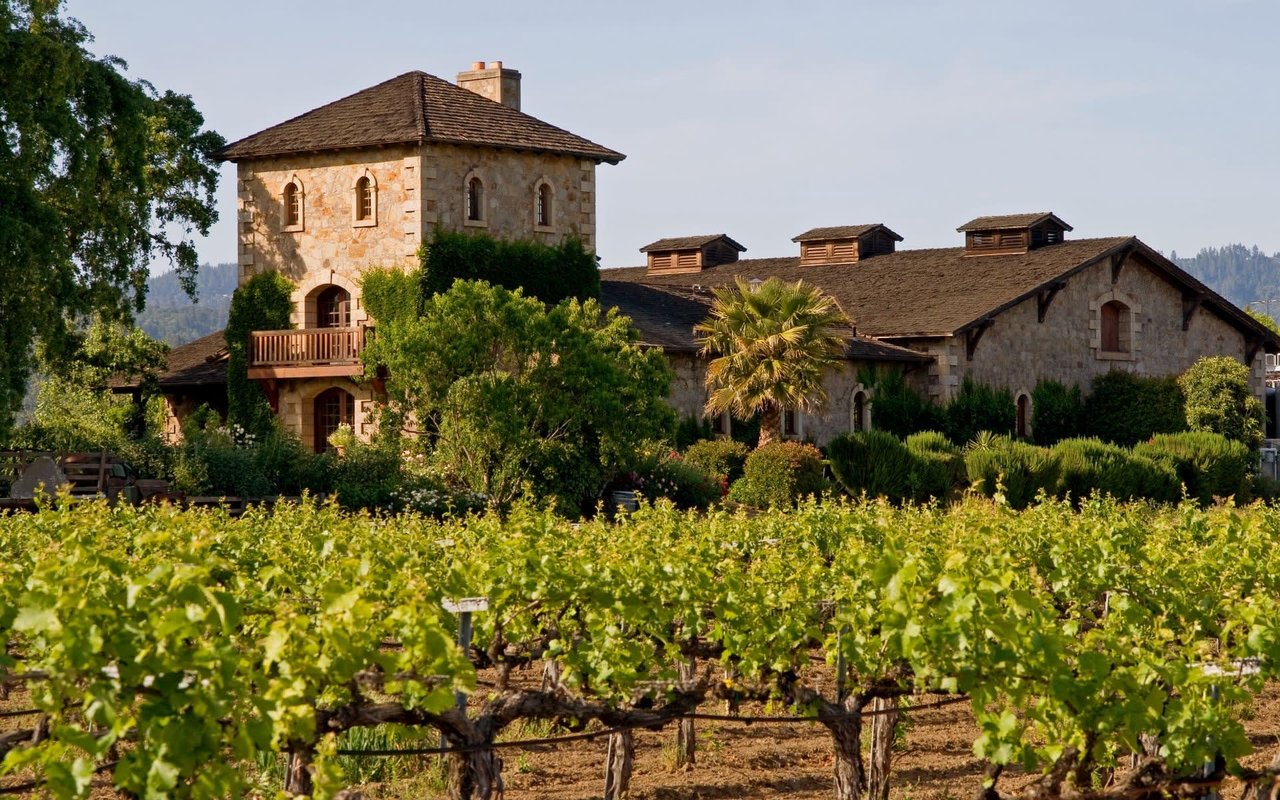
Nestled in the heart of Northern California's famous wine country, Napa offers a lifestyle that's difficult to find anywhere else. While it's known worldwide for award-winning wineries and luxury tourism, residents enjoy much more than vineyard views. Living in Napa means having access to excellent dining, outdoor recreation, a thriving arts scene, and a welcoming small-city atmosphere, all within driving distance of San Francisco, Sacramento, and the Sonoma Coast.
Whether you're relocating for work, retirement, or simply searching for a slower pace of life, Napa combines natural beauty with modern conveniences. Here's everything you need to know before making Napa your home.
What's It Like to Live in Napa?
Napa strikes an ideal balance between sophistication and relaxation. Unlike many wine country destinations that feel centered around tourism, Napa is a full-service city with grocery stores, healthcare, shopping centers, parks, and established residential neighborhoods.
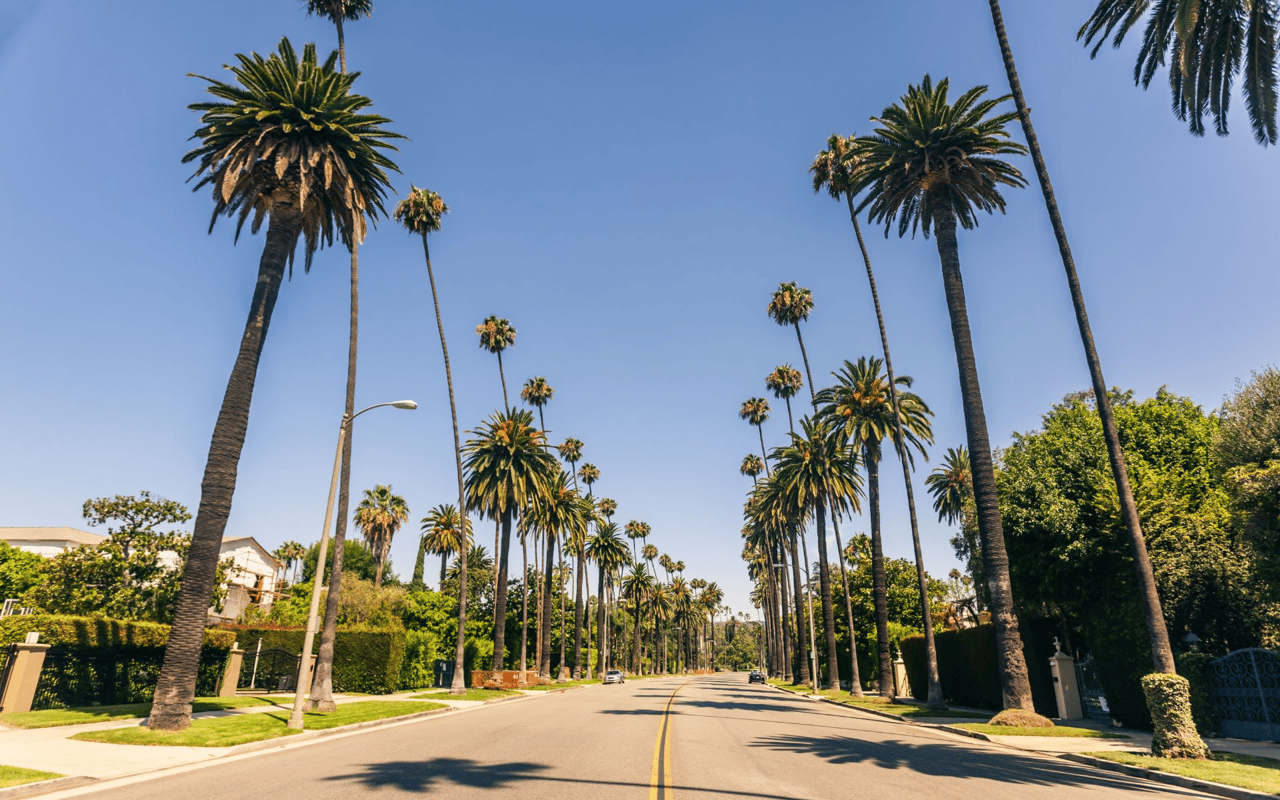
Residents enjoy tree-lined streets, walkable downtown neighborhoods, and an active community calendar featuring farmers markets, concerts, art festivals, and seasonal events. While tourism certainly plays a major role in the local economy, most neighborhoods remain quiet and family-oriented outside of downtown.
Outdoor enthusiasts appreciate easy access to hiking trails, biking routes through vineyards, kayaking on the Napa River, and numerous regional parks. Weekends often involve visiting local wineries, enjoying outdoor patios, or exploring nearby destinations like Sonoma, Calistoga, or Lake Berryessa.
Despite its reputation for luxury, Napa offers neighborhoods ranging from historic downtown homes to newer suburban developments and rural vineyard estates.
Who Is Napa Best For?
Napa appeals to a wide variety of buyers and lifestyles.
It's especially attractive for professionals who work remotely or commute occasionally to the Bay Area, retirees seeking mild weather and a vibrant community, wine and food enthusiasts, healthcare professionals, and families looking for quality schools and recreational opportunities.
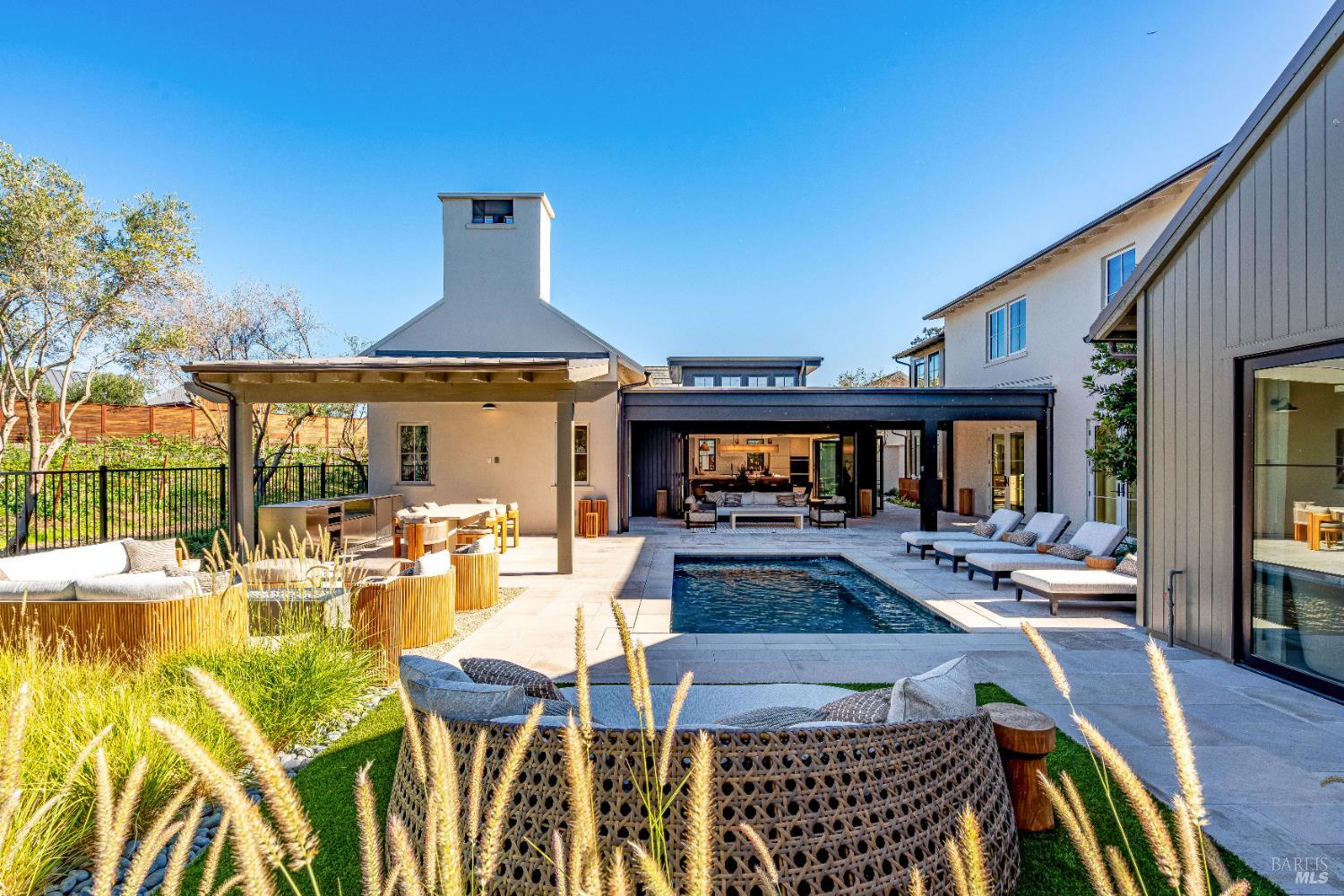
Luxury buyers appreciate Napa's estate properties and vineyard homes, while first-time buyers may find opportunities in newer subdivisions or townhome communities.
If you're looking for vibrant nightlife or dense urban living, Napa may feel too relaxed. However, those who value outdoor living, local businesses, and community events often find Napa to be an excellent long-term fit.
The Napa Real Estate Market
The Napa housing market remains one of Northern California's most desirable due to limited inventory and consistent demand.
Buyers can choose from:
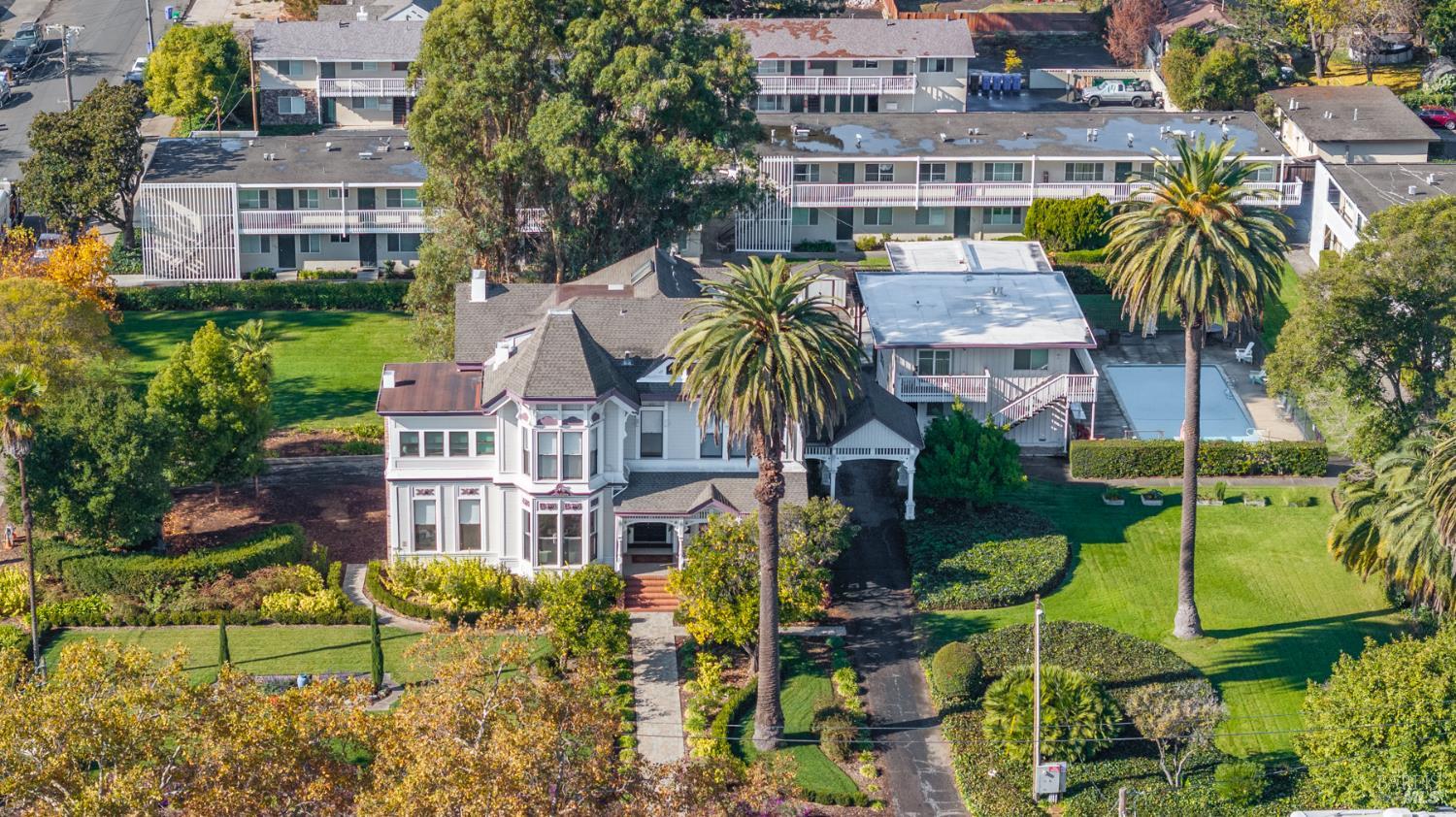
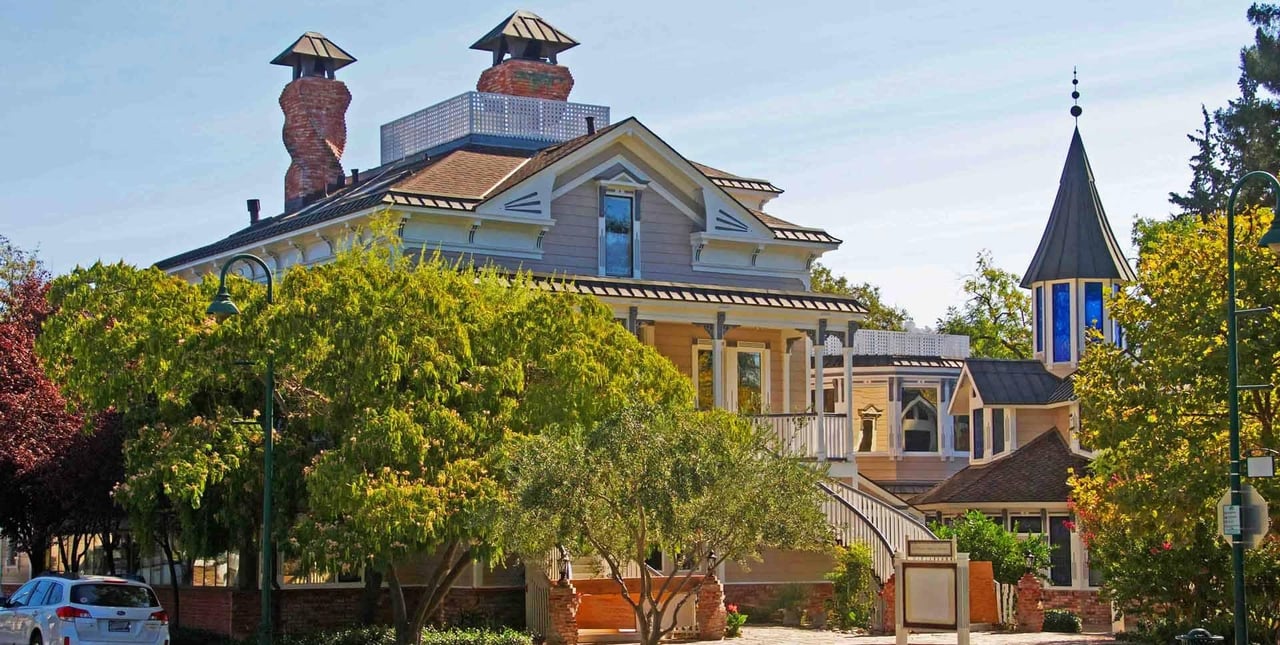
- Historic Victorian and Craftsman homes near Downtown Napa
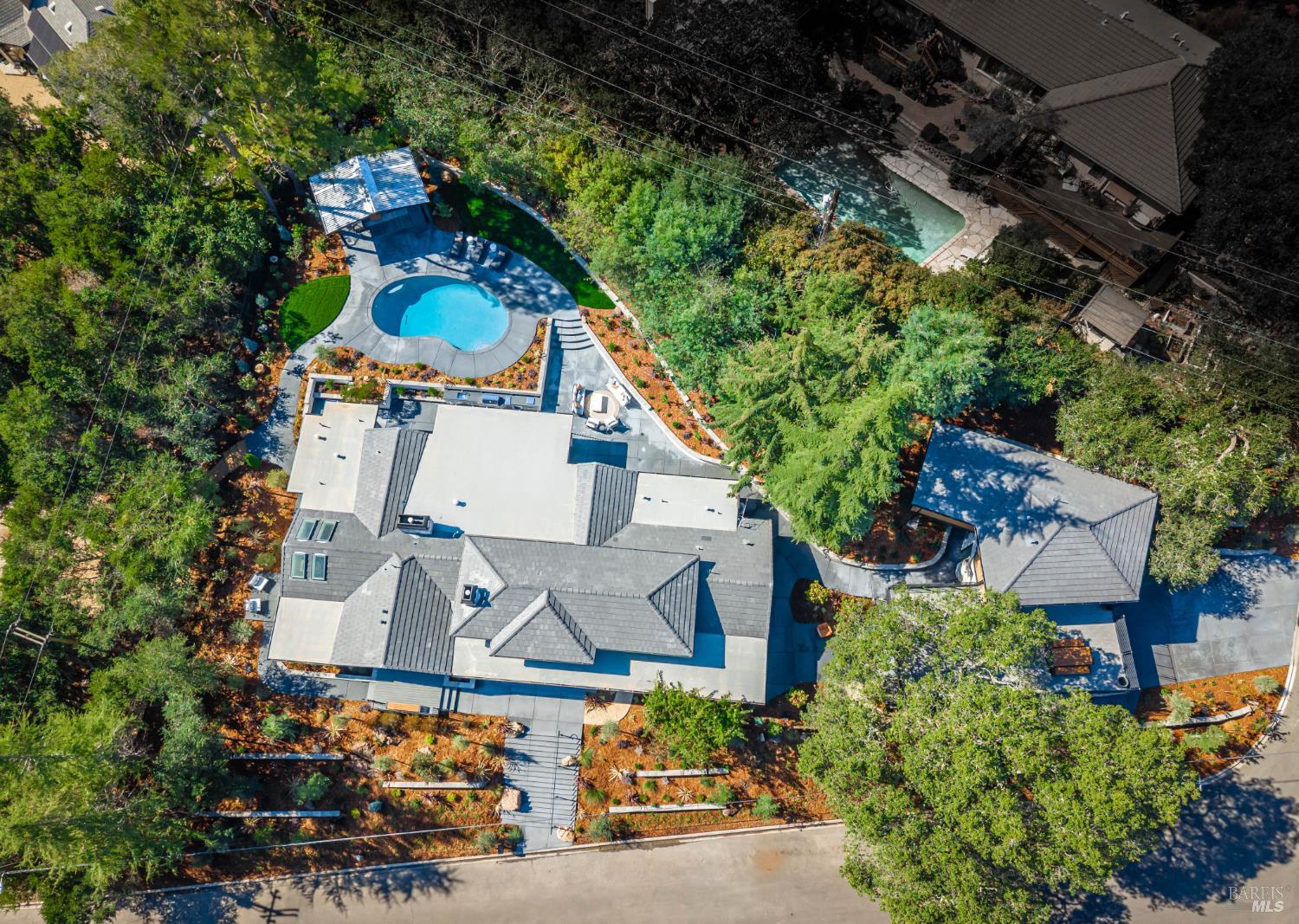
- Mid-century neighborhoods with larger lots
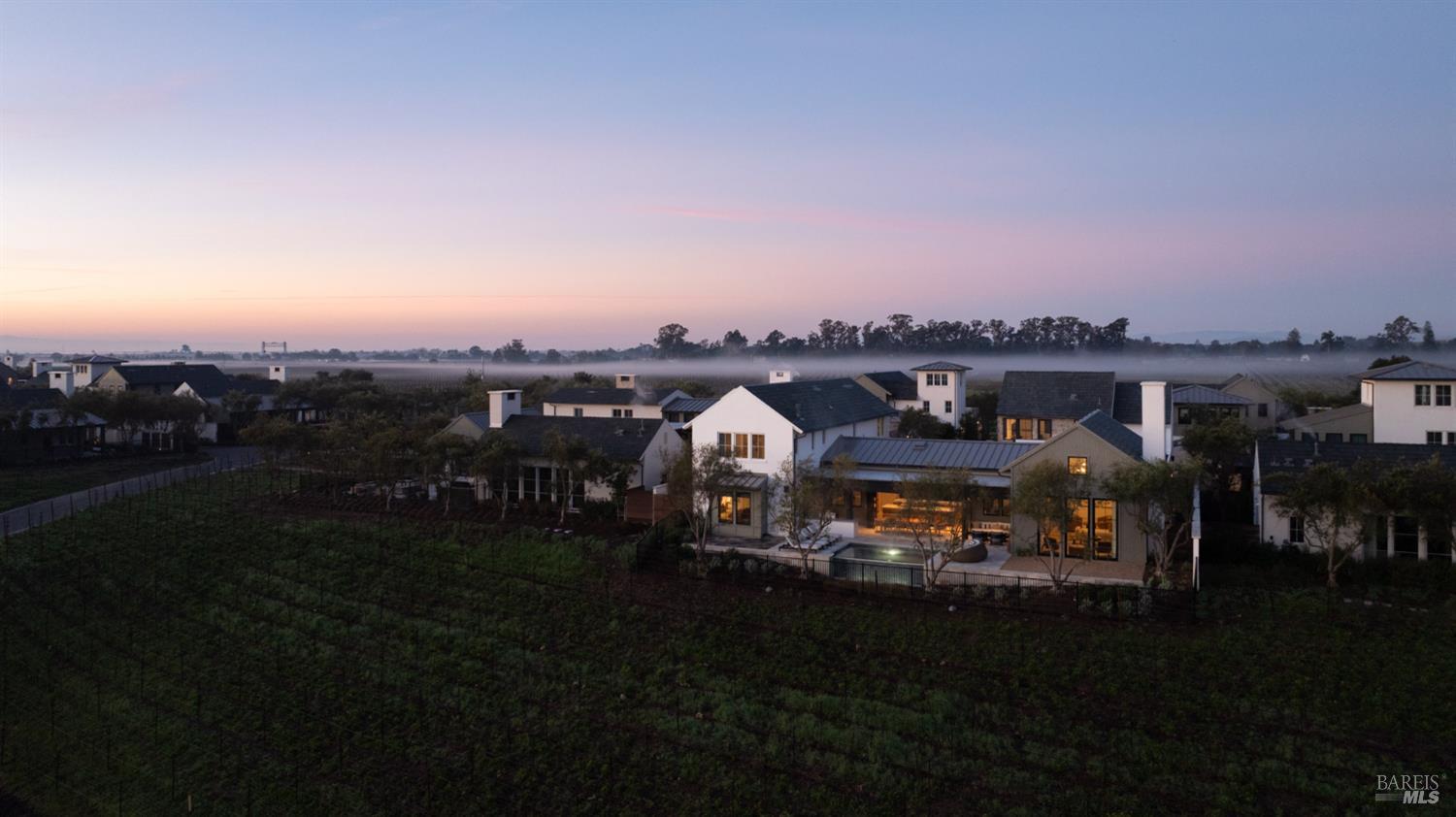
- Contemporary developments in North Napa
- Luxury custom estates overlooking vineyards
- Rural properties with acreage
- Condominiums and townhomes offering lower-maintenance living
Home values tend to be higher than the national average, reflecting Napa's desirable location and limited housing supply. Properties in walkable neighborhoods and those with vineyard views often command premium prices.
While the market can fluctuate alongside broader economic conditions, Napa continues to attract buyers seeking both primary residences and second homes.
Schools in Napa
Families are served primarily by the Napa Valley Unified School District, which offers numerous elementary, middle, and high schools throughout the city.
Parents also have access to several private and faith-based schools, as well as nearby higher education opportunities through Napa Valley College.
Many schools emphasize arts, athletics, agricultural education, and career technical programs, reflecting the region's strong hospitality and agricultural industries.
Amenities and Things to Do
Although visitors know Napa for its wineries, residents enjoy a surprisingly diverse range of amenities.
Downtown Napa has transformed into one of Northern California's most vibrant small-city centers, featuring locally owned restaurants, coffee shops, tasting rooms, boutiques, live music venues, and riverfront walking paths.
Outdoor recreation includes:
- Hiking and biking trails
- Golf courses
- Napa River activities
- Community parks
- Farmers markets
- Public art installations
The city also offers quality healthcare facilities, grocery stores, fitness centers, libraries, and shopping plazas that make everyday living convenient.
One major advantage of living in Napa is its central location. Weekend trips to San Francisco, Sonoma County, Lake Tahoe, and the Pacific Coast are all within reach.
Napa Culture
Wine influences nearly every aspect of Napa's culture, but the community extends well beyond vineyards.
Residents support local artists, musicians, chefs, and small businesses throughout the year. Seasonal festivals celebrate food, music, harvest season, and local agriculture.
The culinary scene is exceptional, ranging from casual cafés and food trucks to Michelin-starred restaurants.
Community involvement is strong, with volunteer organizations, youth sports leagues, neighborhood events, and cultural programs creating a close-knit atmosphere despite Napa's international reputation.
Weather in Napa
Napa enjoys a Mediterranean climate with warm, dry summers and cool, mild winters.
Summer temperatures often reach the 80s and 90s during the day, while evenings cool considerably thanks to marine influences. Spring and fall are particularly pleasant, making outdoor dining and recreation enjoyable for much of the year.
Winter brings most of the annual rainfall, although snowfall is virtually nonexistent.
The comfortable climate allows residents to spend significant time outdoors, whether hiking, cycling, golfing, or simply enjoying backyard gatherings.
Is Napa Right for You?
Living in Napa offers an exceptional quality of life for those who appreciate beautiful scenery, world-class food and wine, outdoor recreation, and a slower pace than larger Bay Area cities.
While housing costs are higher than many California communities, many buyers find the investment worthwhile due to Napa's enduring desirability, strong sense of community, and unmatched lifestyle.
Whether you're raising a family, planning retirement, or searching for a luxury wine country home, Napa delivers a unique blend of small-town charm and upscale amenities that continues to attract new residents year after year.
If you're considering buying a home in Napa, working with a local real estate expert can help you identify the neighborhoods that best match your lifestyle, budget, and long-term goals.